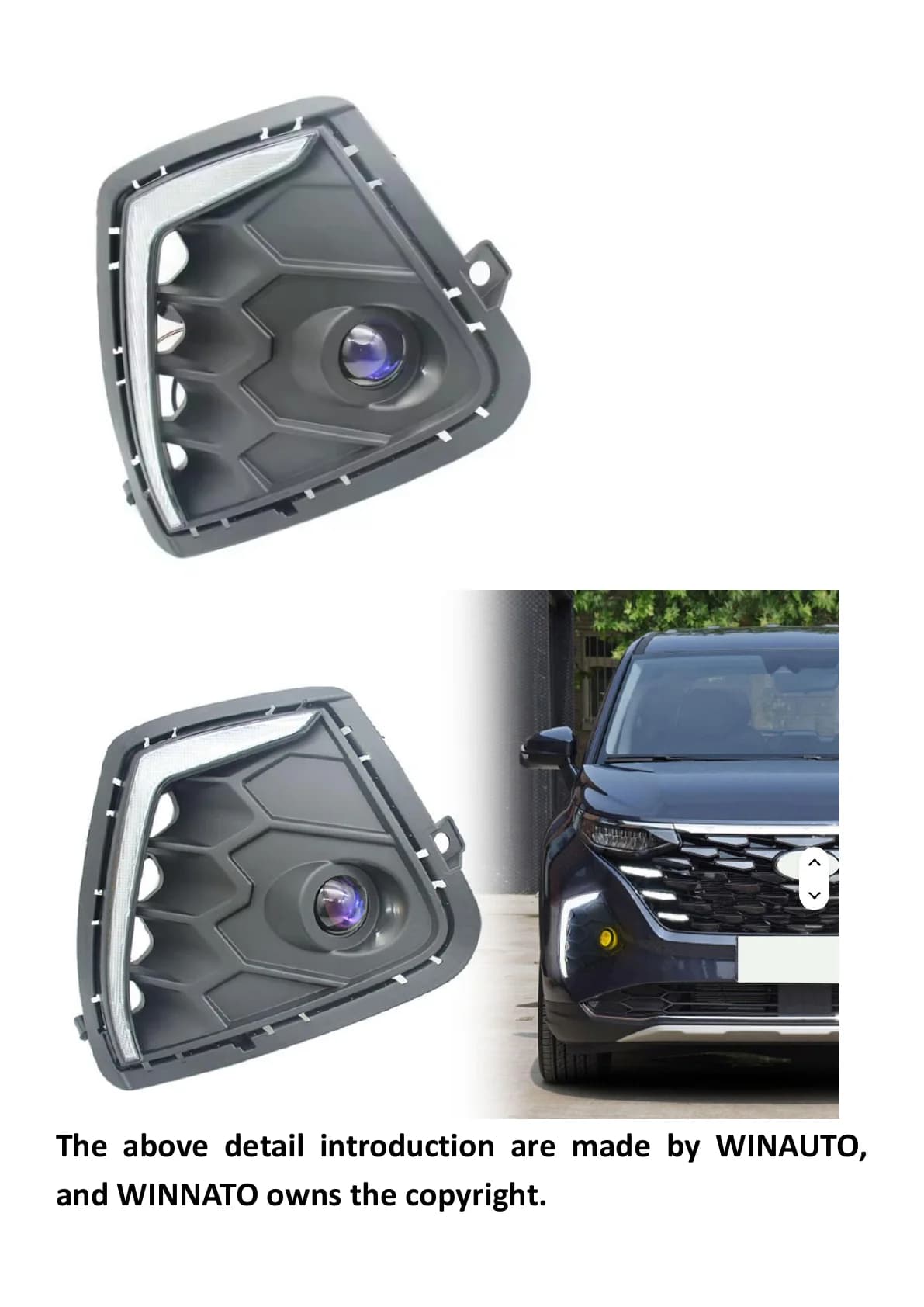
From vehicle brief to a production-ready lighting part
WINAUTO’s vehicle-specific OEM and ODM process is built around the original vehicle interface, the requested lighting function and the target market. The same controlled workflow can be adapted for LED daytime running lights, rear bumper lights and fog-light programs. The objective is to confirm fitment and function before committing to tooling, then carry the approved design through production and inspection.
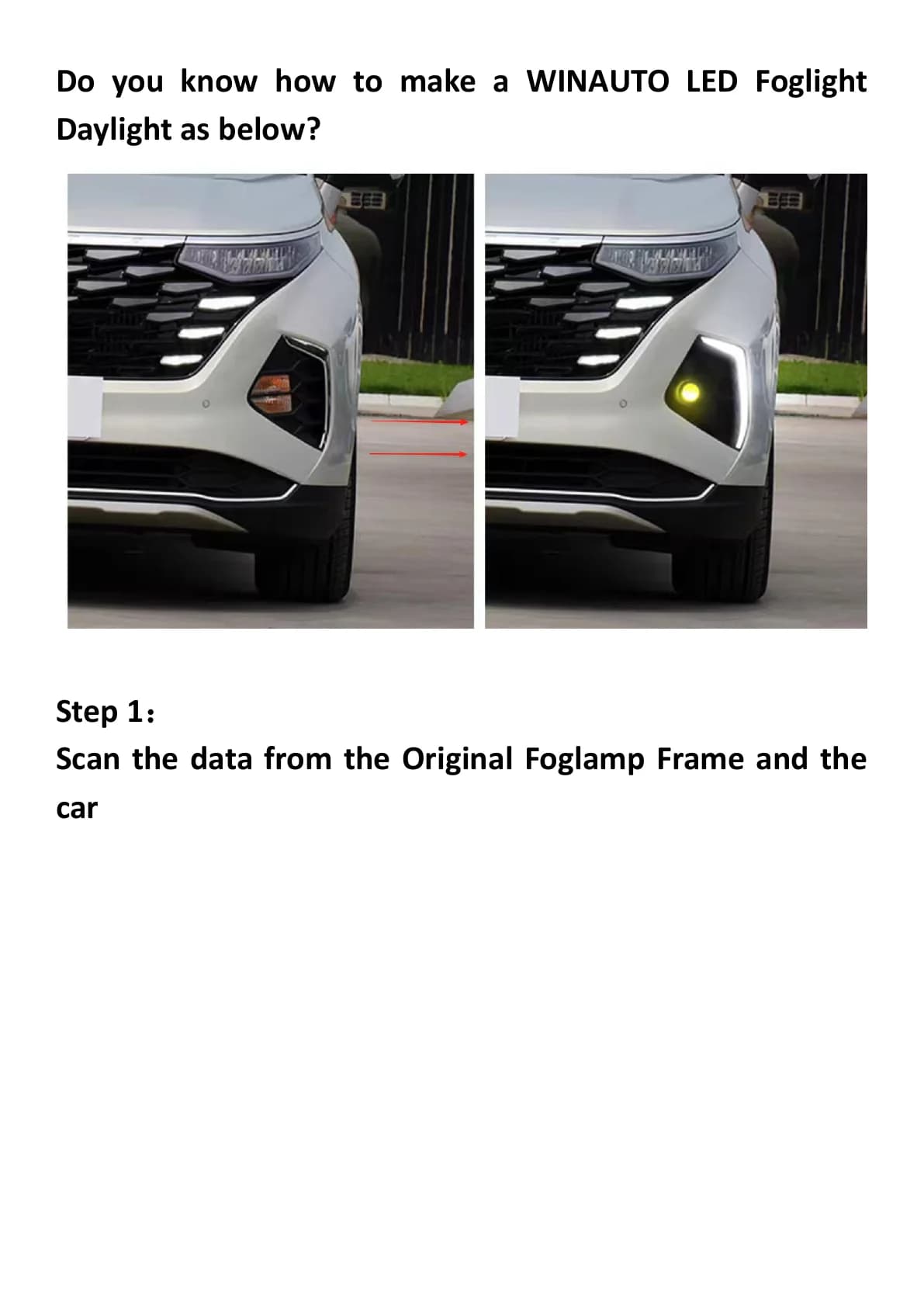
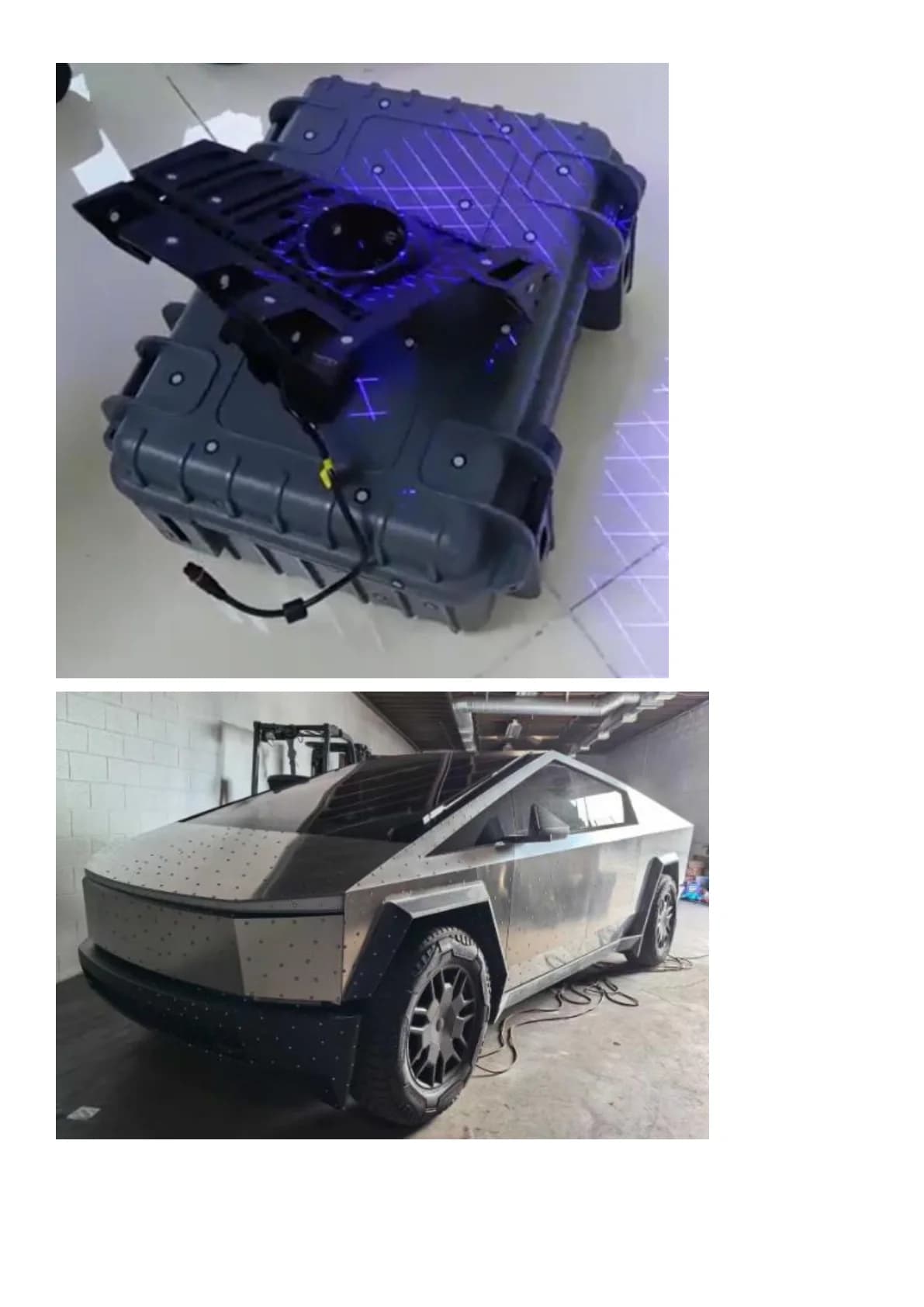
1. Collect original-part and vehicle data
The project begins with the customer’s vehicle make, model year, target-market version and functional brief. Where available, the original lamp frame, bumper area, mounting locations, connectors and reference photos are reviewed. This first step helps the engineering discussion address the physical interface instead of relying on a generic shape.
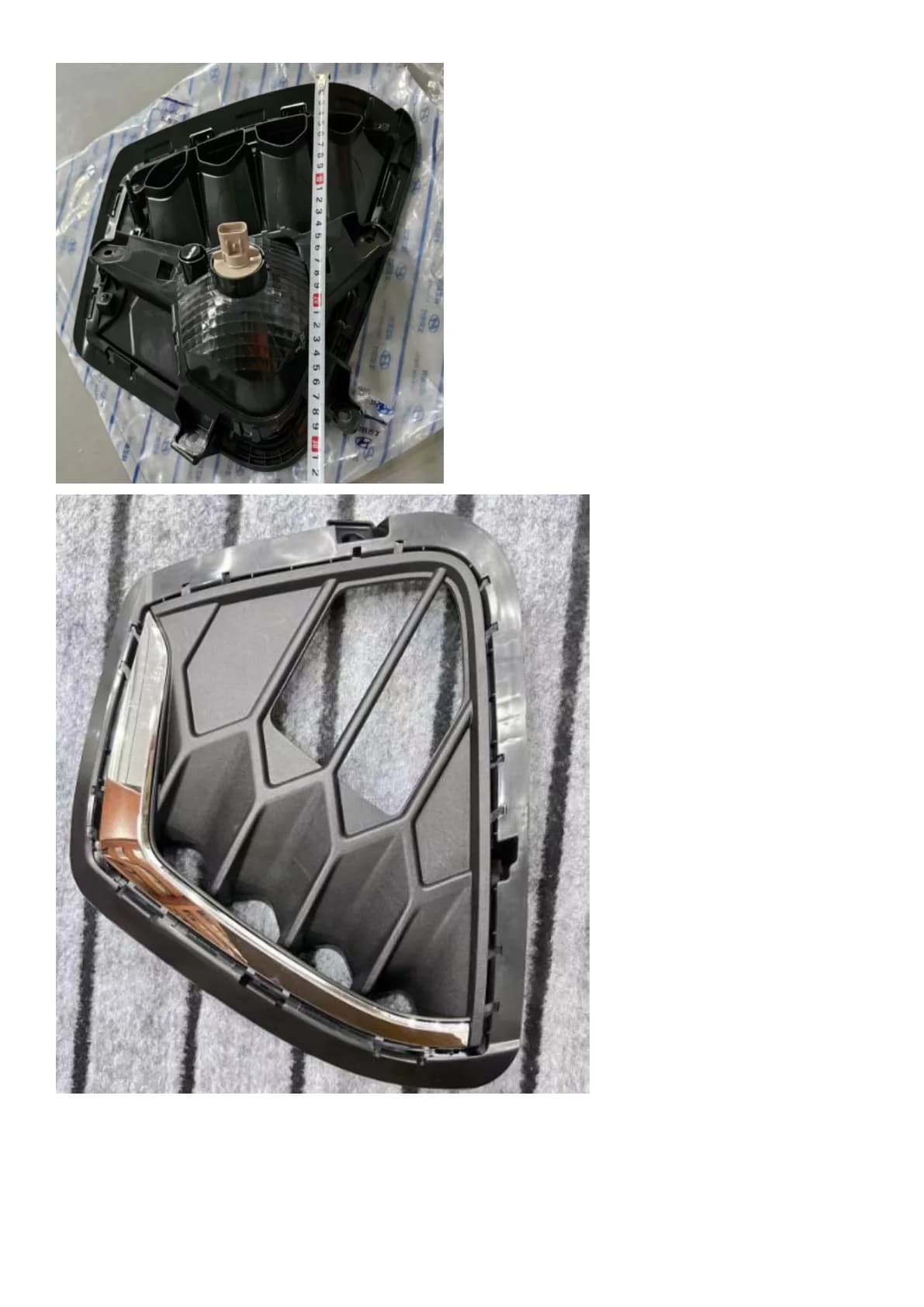
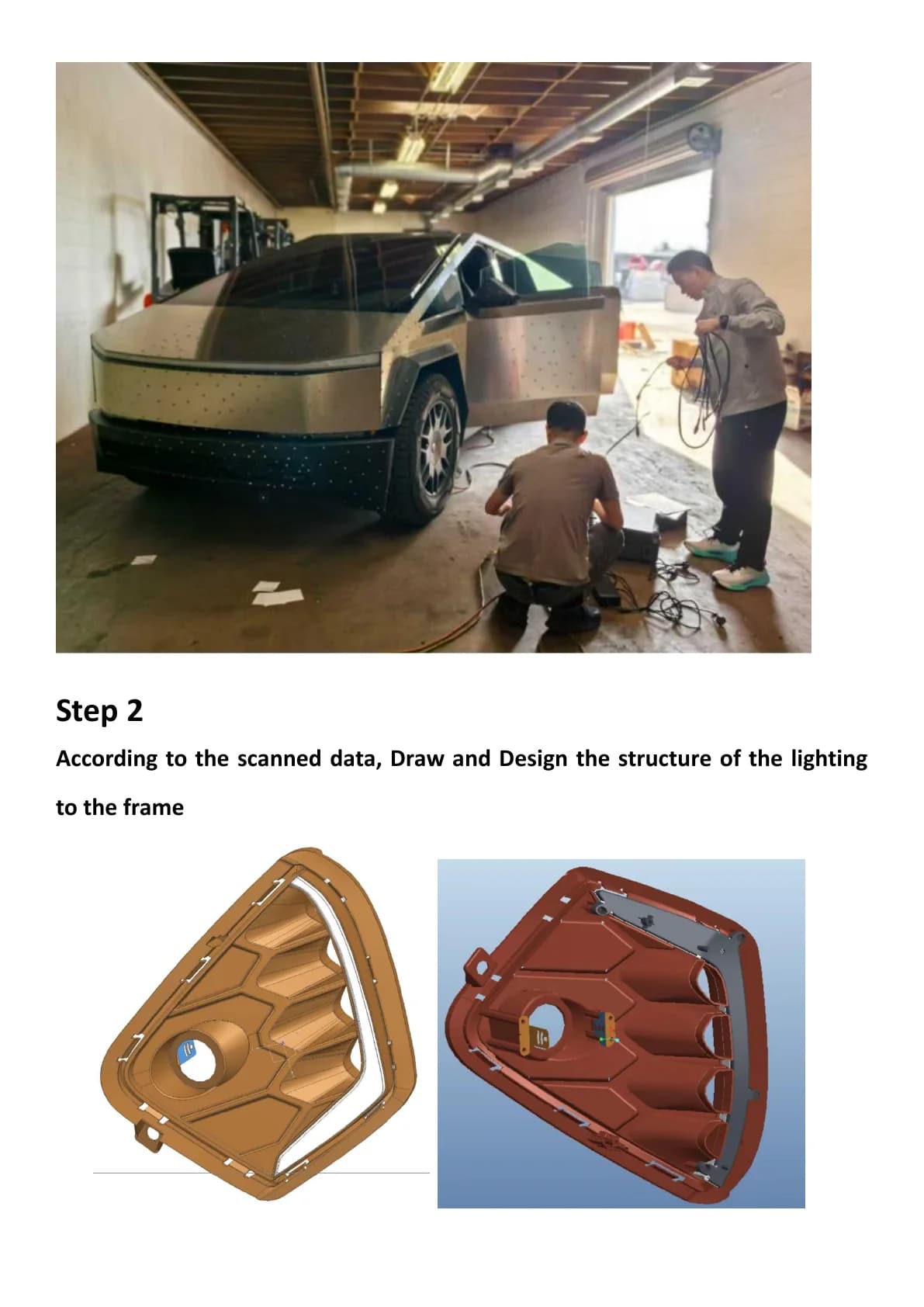
2. Develop the structure and lighting concept
Using the confirmed reference data, the team develops the proposed structure, mounting approach and lighting layout. At this point, the project brief should identify the required function—such as a white DRL, amber turn signal, rear position lamp or fog-light module—along with the desired appearance and market requirements. CAD work is reviewed before sampling so the customer can assess the intended design direction.
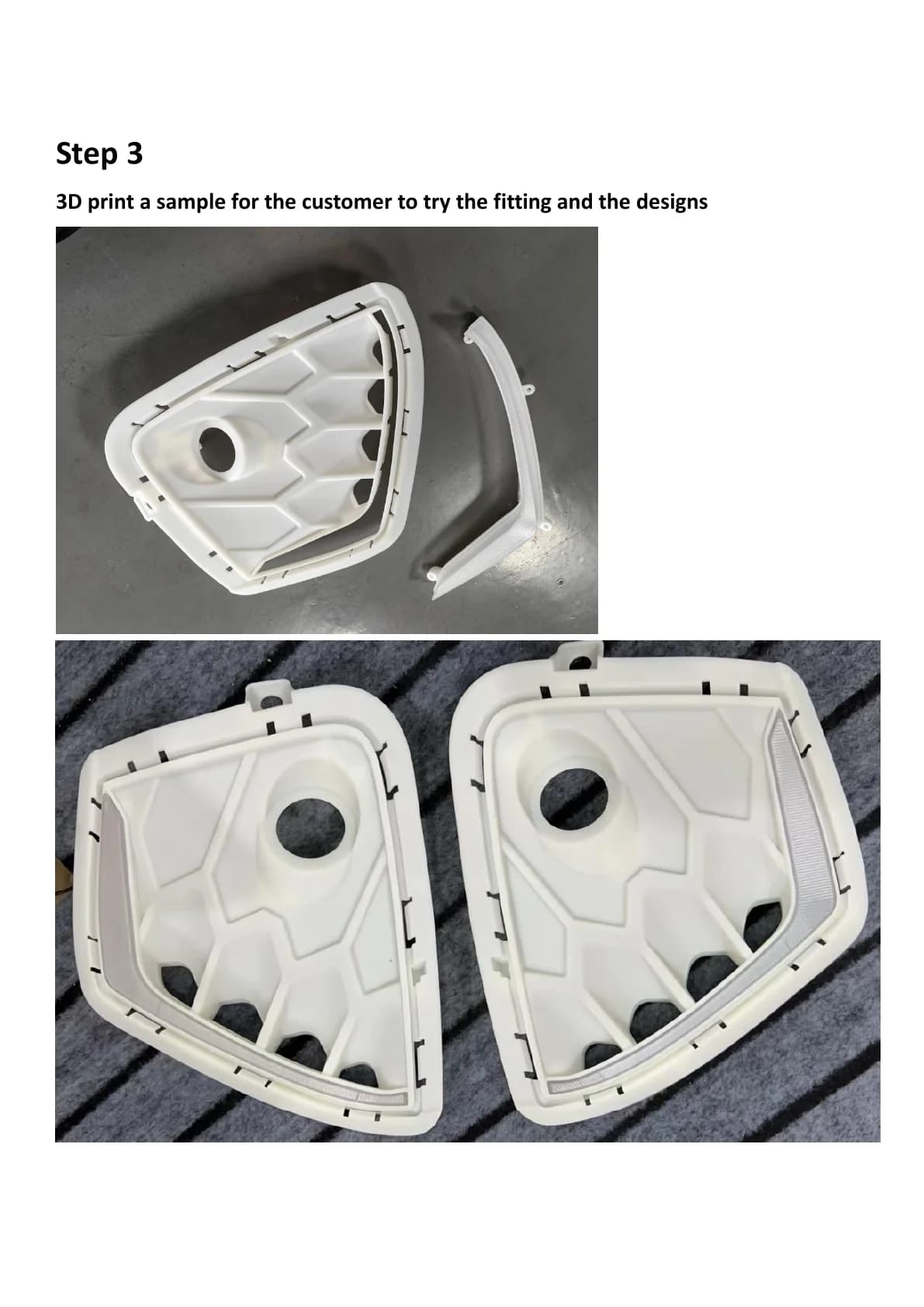
3. Make a 3D-printed fitment sample
A 3D-printed sample is used to check the proposed geometry, visual relationship to the vehicle and mounting fit before production tooling starts. It is an important approval stage: feedback about the design, clearance and fitment can be incorporated while the part is still in the sample phase.
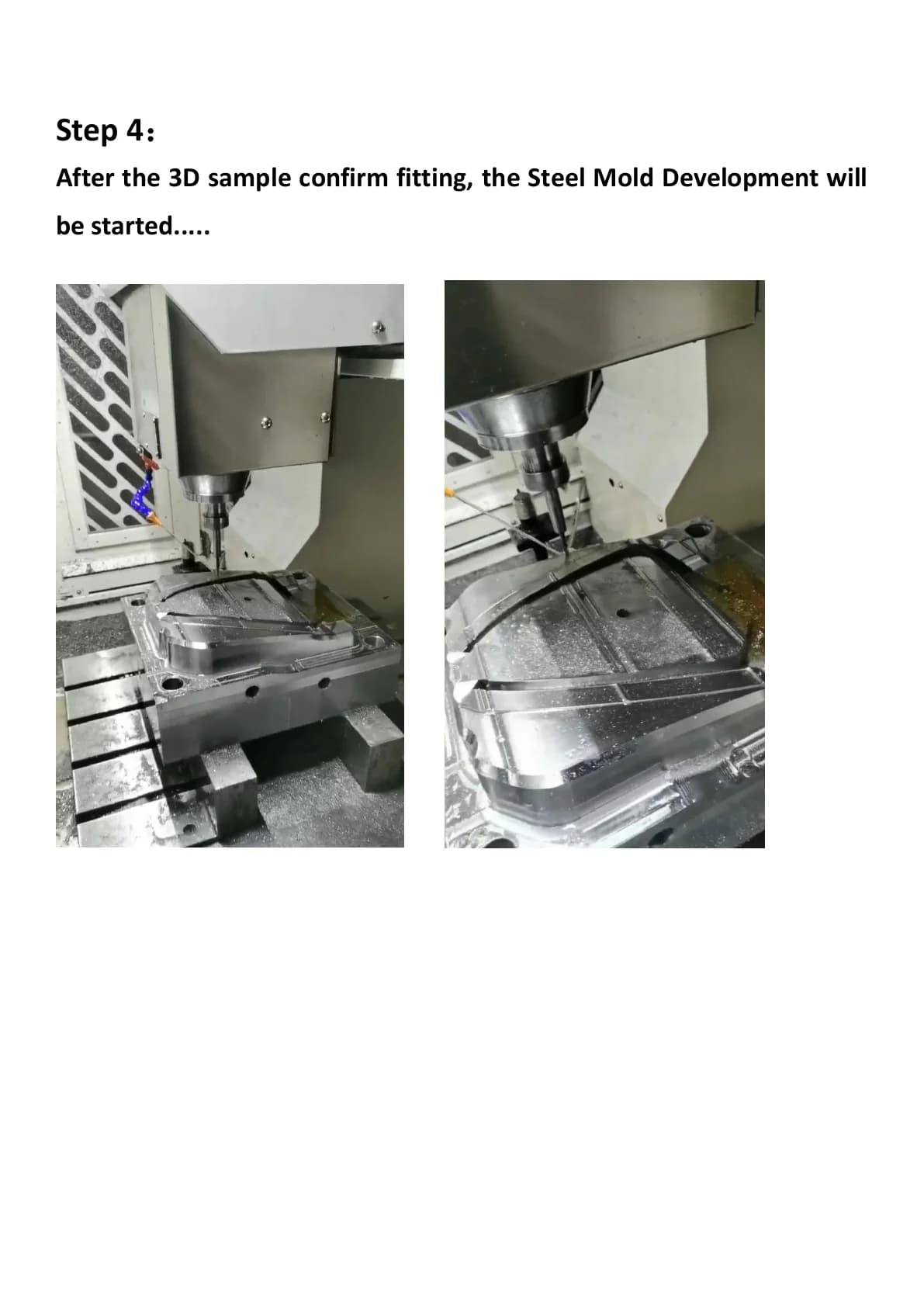
4. Confirm the sample before tooling
After the sample fitment and design are confirmed, steel-mold development can begin. Tooling is a major project commitment, so WINAUTO treats the sample confirmation as a decision gate. Changes are considerably more difficult after the mold work starts; the customer’s approval of the design and fitment should therefore be documented before moving forward.
5. Produce the plastic housing and lens components
The approved mold is used to form the relevant plastic components through injection molding. For vehicle-specific lighting, housing geometry, mounting features and lens interfaces must stay consistent with the approved design so downstream assembly can be checked against the original fitment brief.
6. Prepare the LED electronics
The lighting module is prepared for the requested function and configuration. Depending on the project, this may include the LED board, driver-related components, harness and connectors. The selected functions and wiring approach should be confirmed against the vehicle and target-market requirements before final assembly.
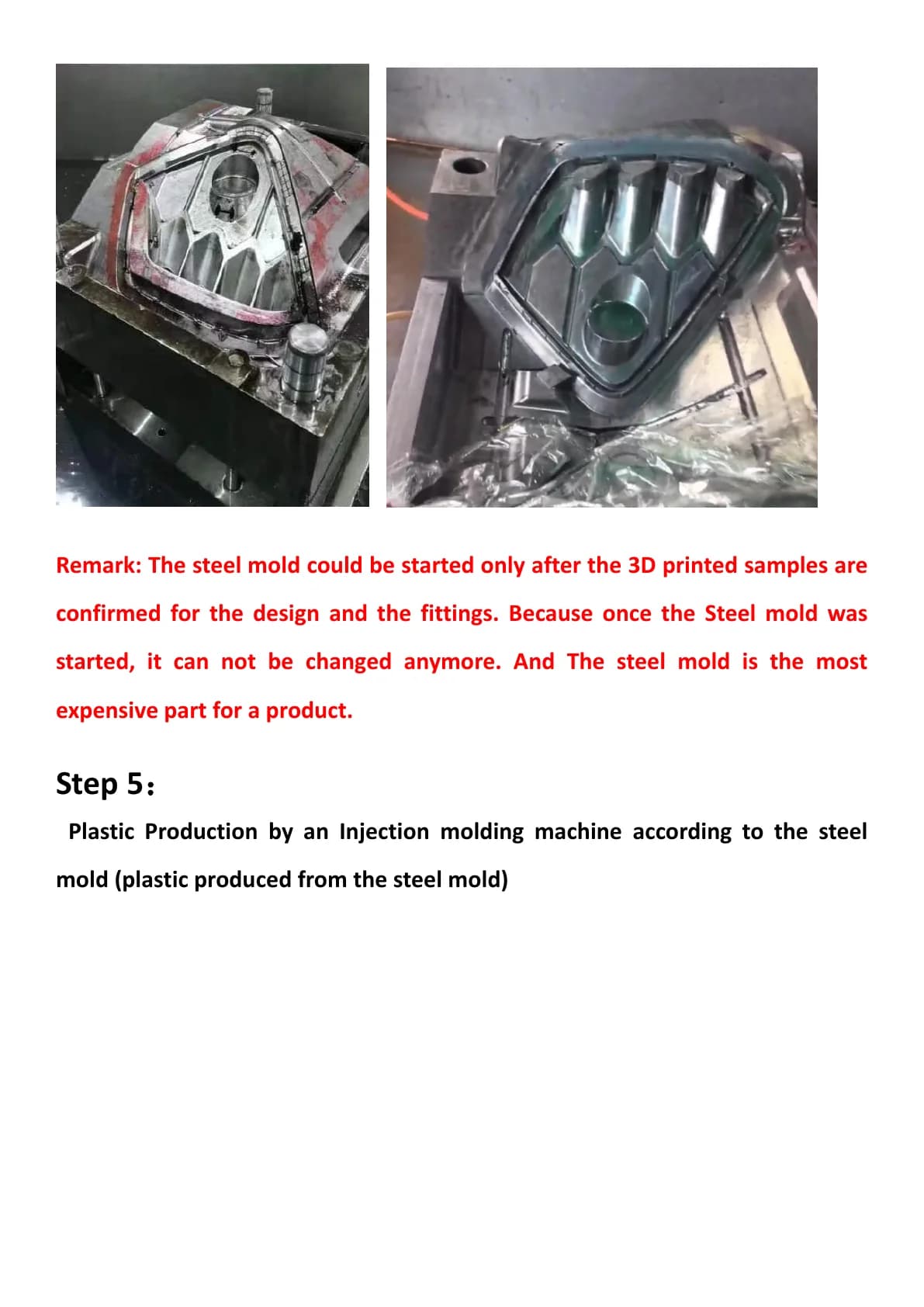
7. Build the LED light guide or tube
For DRL and rear-light designs that use a light guide or tube, this element is produced to the approved shape and integrated with the LED source. The parts shown here illustrate how a vehicle-specific outline is translated into the lighting element before final assembly.
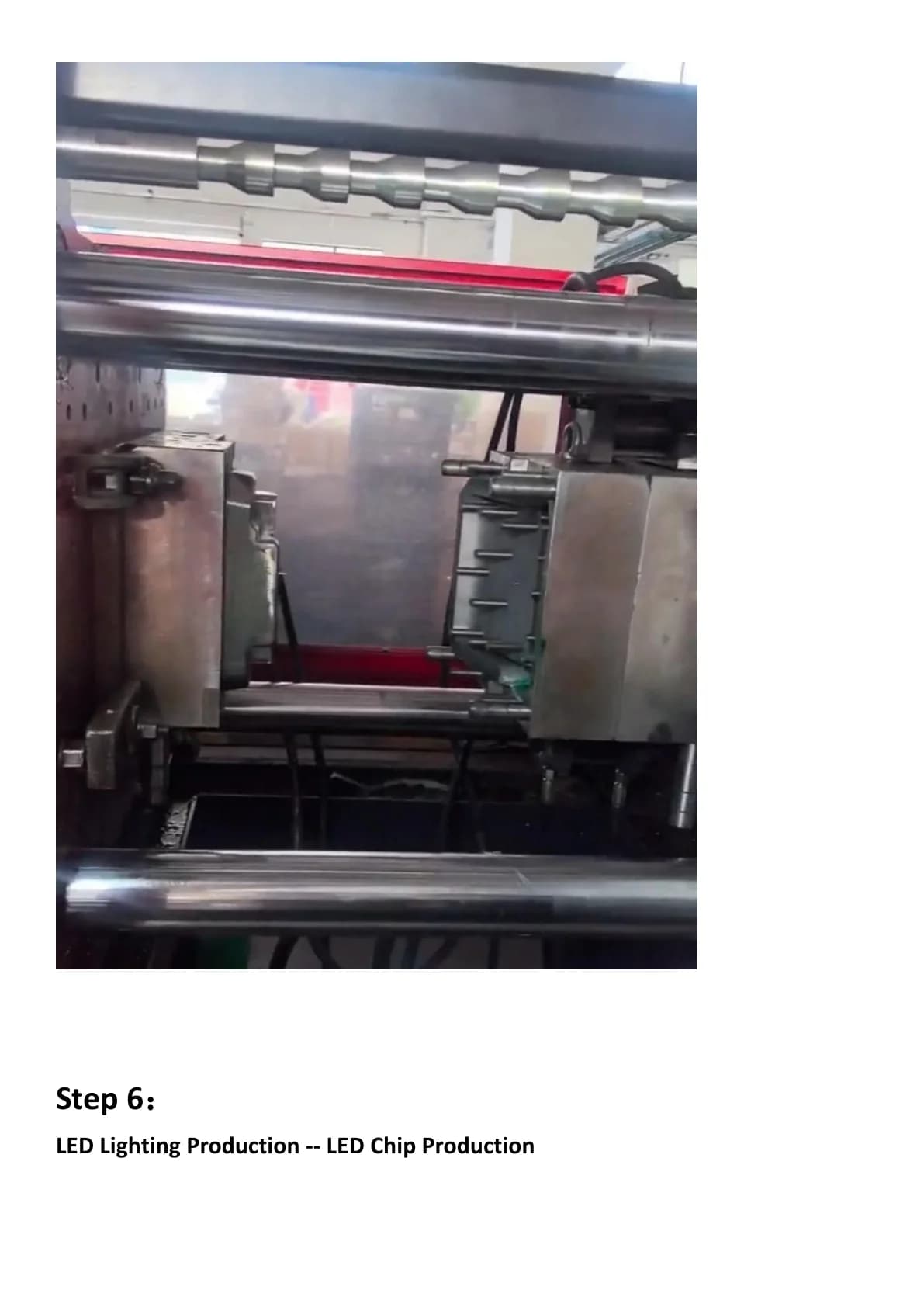
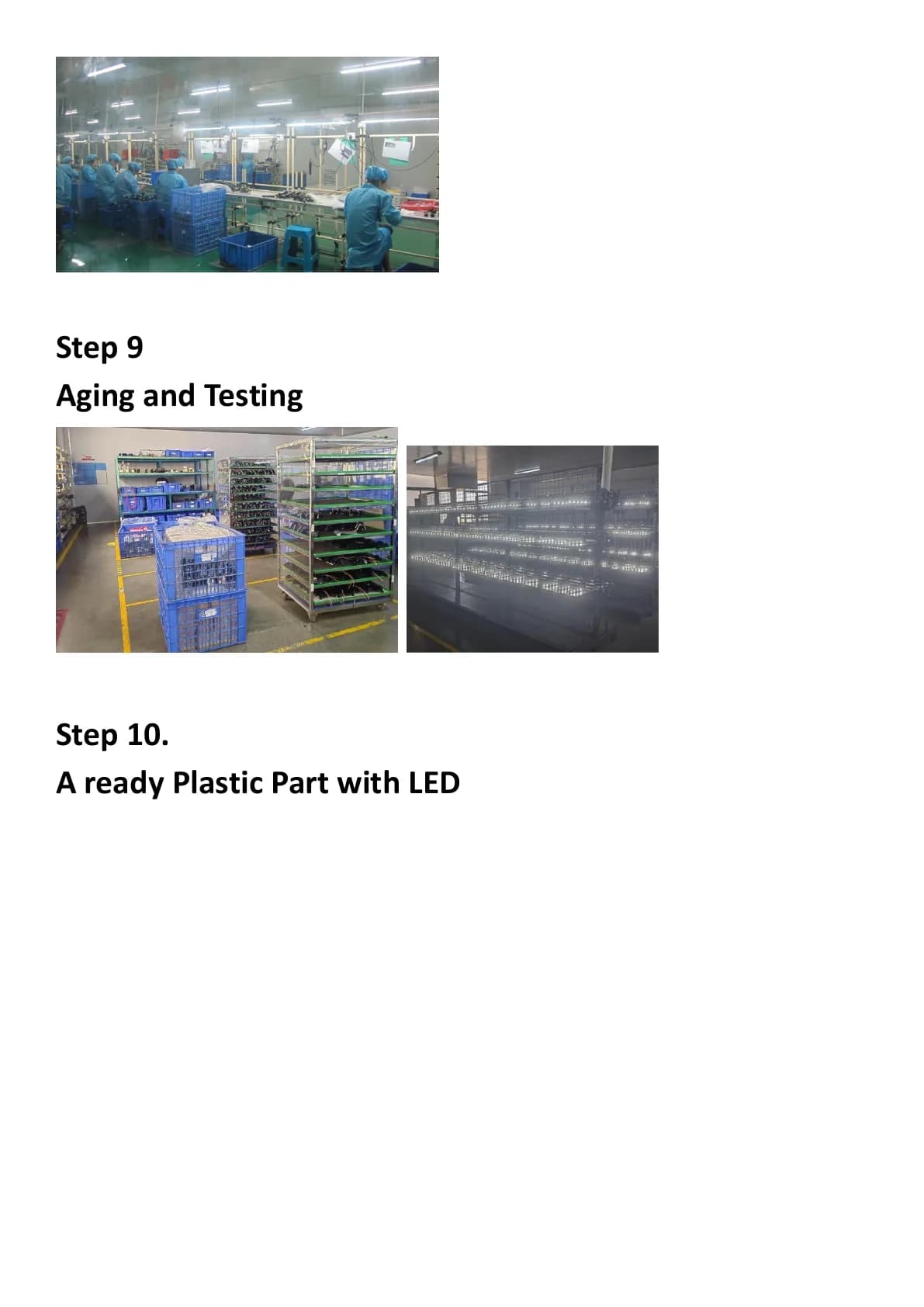
8. Assemble electronics and molded parts
The assembled product brings together the plastic housing, lens or light guide, LED electronics and wiring. Production-stage checks help confirm that the correct parts are used and that the completed lamp matches the approved project configuration.
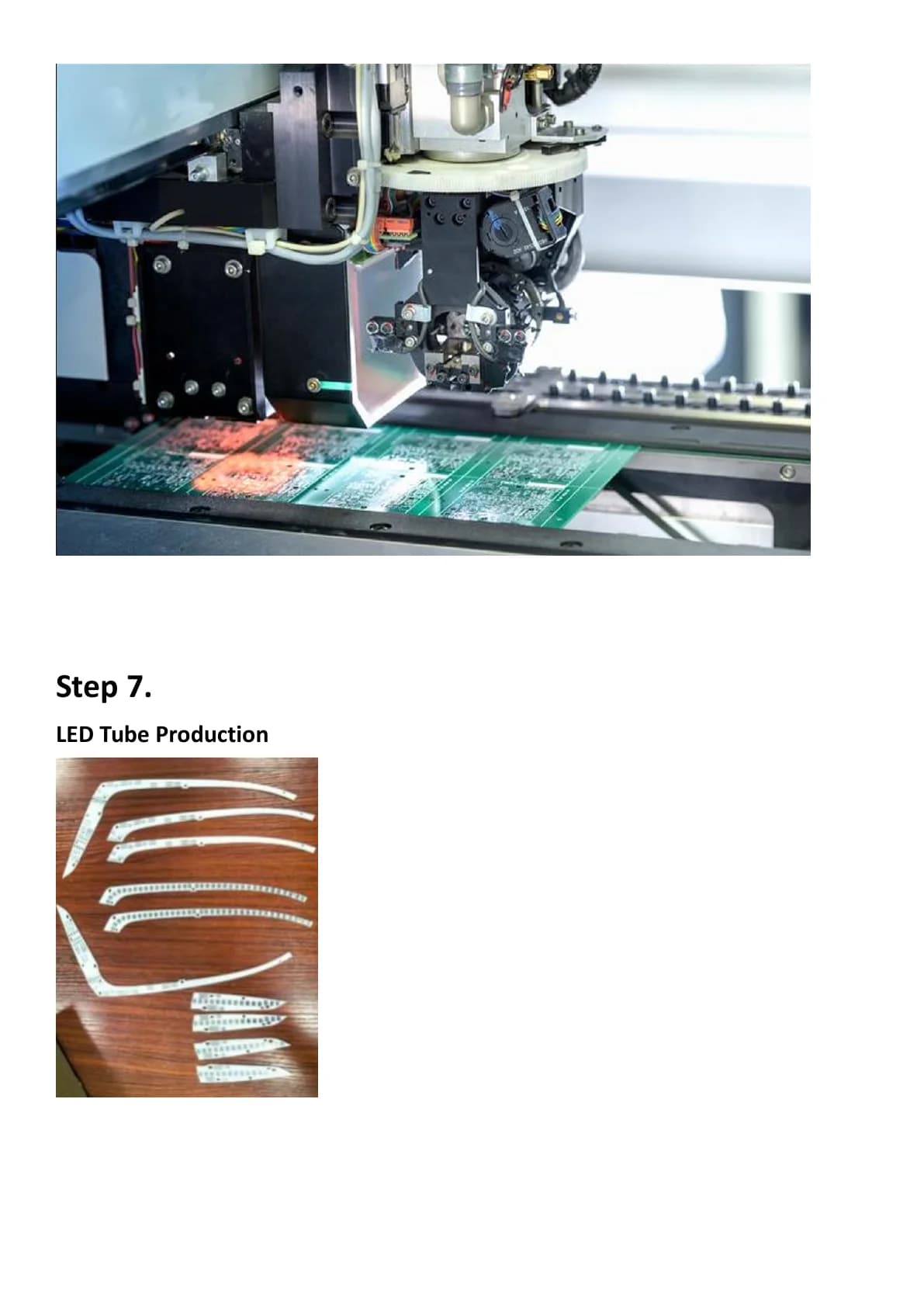
9. Complete aging and lighting checks
Before shipment inspection, finished units can undergo the project’s defined aging and lighting checks. The exact test scope depends on the product specification and applicable market requirements; customers should state any specific validation or documentation needed at the quotation stage.
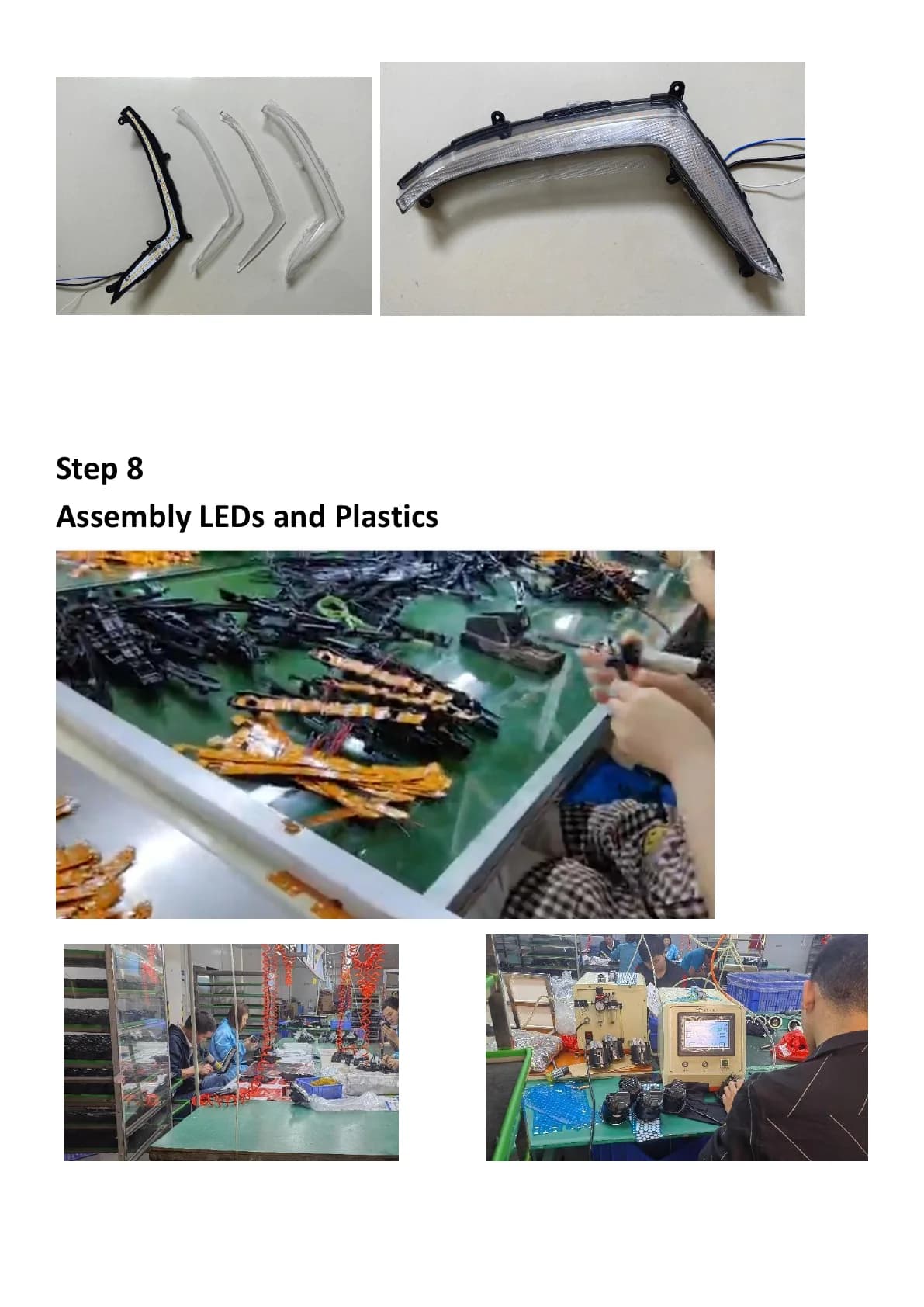
10. Inspect the finished vehicle-specific part
The finished assembly is checked against the approved appearance and application. This is where the process returns to the original objective: a lighting part designed around the vehicle, not a universal replacement. Product photographs and shipment inspection records can be prepared according to the customer’s project requirements.
Start an OEM or ODM lighting discussion
For a daytime running light, rear bumper light or fog-light project, please send the vehicle make, model year, target-market version, required lighting functions, product photos or original-part references, expected quantity and any brand or packaging requirements. WINAUTO can then review the project brief and advise on the suitable next step.